
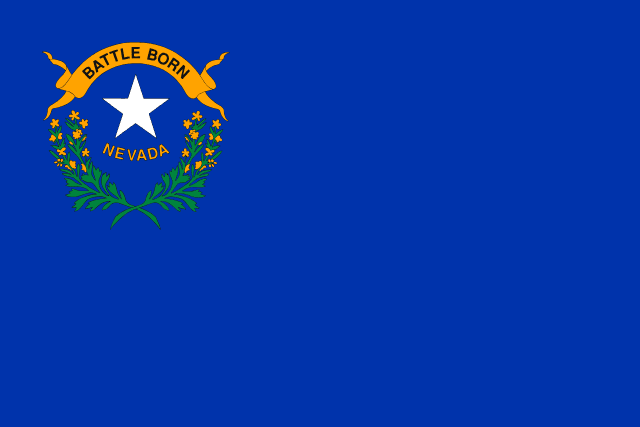
Nevada Boating Destinations
Nevada combines massive desert reservoirs, warm-weather boating, fishing-driven lakes, and dramatic canyon scenery into one of the Southwest's strongest freshwater boating states.
Top Places to Boat in Nevada
Lake Mead and the Las Vegas boating corridor
Destination-scale reservoir boating with marinas, coves, beaches, and one of the most recognizable warm-weather boating settings in the country.
Lake Mohave and the Colorado River side
Long scenic reservoir runs, fishing, and lower-density desert boating with strong recreation value south of Mead.
Lahontan, Pyramid, and northern Nevada water
A mix of fishing-oriented lakes, regional family boating, and wide-open desert water beyond the state's best-known southern reservoirs.
Where People Boat in Nevada
Nevada boating is best understood as a desert-reservoir state where a few very large waters shape the season far more than a long list of smaller lakes. The boating style here is built around scale, heat, fishing, marinas, and wide-open scenery, so local owners usually plan around weather, distance, and how much of the day they want to spend on big water.
Lake Mead is the center of gravity for boating in Nevada because it combines size, infrastructure, and sheer name recognition. It supports cruising, fishing, cove days, houseboat-style outings, and warm-weather recreation at a scale that makes it one of the most important inland boating destinations in the Southwest.
What makes Lake Mead especially valuable is that it can handle very different types of use. Some crews use it for quick marina-based outings from the Las Vegas side, others for full-day reservoir runs, and others for beach and cove recreation that makes the lake feel more like a multiday destination than a simple local launch.
Lake Mohave adds another major boating profile with a slightly more remote and lower-density feel. It is especially attractive for long scenic runs, fishing, and warm-weather recreation where the route matters as much as the stop, giving Nevada another strong desert-water identity beyond Mead.
The Colorado River side of the state matters because it broadens the boating experience from one giant reservoir to a more connected regional water system. That gives southern Nevada owners and visitors more flexibility than a single-lake market would suggest.
Northern Nevada creates a different boating layer through waters like Pyramid Lake and Lahontan Reservoir. These are often chosen for fishing, regional family use, and lower-pressure recreation that does not require the travel or marina intensity of the larger southern reservoirs.
These northern lakes matter because they keep boating practical for people who do not build their whole season around Las Vegas-area water. A repeat-use local lake can produce more real days on the water, while the larger southern reservoirs remain the big destination part of the boating calendar.
A practical Nevada season often combines one repeat-use local pattern with a few larger Mead or Mohave weekends. That reflects what the state does best: big-scenery reservoir boating supported by enough regional lake variety to keep ownership usable.
Trip Planning in Nevada
Trip planning in Nevada works best when you build the season around your actual launch rhythm instead of trying to treat every waterway the same. Lake Mead and the Las Vegas boating corridor and Lake Mohave and the Colorado River side reward different assumptions about distance, traffic, weather, and how much setup your crew is willing to handle on a normal weekend.
That is why Nevada boaters usually get more value from choosing one dependable home-water routine and then layering in destination days. The combination of large desert reservoirs and big-water boating and fishing, pontoons, and warm-weather recreation gives the state range, but the easiest boating life still comes from matching storage, launch convenience, and crew expectations to the places you will use most often.
Nevada Boating Guide
Nevada is one of the Southwest's most distinctive inland boating states because it combines enormous desert reservoirs, warm-weather recreation, fishing-driven lakes, and a sense of scale that few inland markets can match. Instead of one compact chain of local lakes, Nevada offers a boating map shaped by large destination waters and a smaller but important set of regional alternatives.
The smartest way to approach boating in Nevada is to divide it into two practical use zones. The first is the southern desert-reservoir corridor led by Lake Mead and Lake Mohave, where marinas, coves, long runs, and warm-weather recreation define the boating identity. The second is the northern lake system, where lakes such as Pyramid and Lahontan support more regional fishing and family use with lower-density access.
Lake Mead remains the anchor of boating in Nevada because it offers a combination of scale, infrastructure, and recreation value that is difficult to replicate elsewhere. It supports everything from quick day trips and cove swimming to fishing, long reservoir cruising, and full destination-style weekends, which is why it stands at the center of the state's boating culture.
What makes Mead especially effective is that it works for both routine and aspirational use. Local owners can keep a season active through practical launch-and-return trips, while destination boaters can treat the lake as a major summer travel water. That flexibility gives Nevada much more boating depth than a simple desert map would suggest.
Lake Mohave broadens the state by offering another strong desert-water identity with more room to spread out and a slightly different pace. It is especially useful for fishing, longer scenic runs, and boaters who want warm-weather recreation without always operating in the heavier-use zones tied to Lake Mead.
The southern reservoir system also matters because it creates a real boating corridor rather than a single isolated destination. That gives owners and visitors more options for planning around weather, crowds, and the type of day they want on the water, which is a major practical advantage in a desert state.
Northern Nevada adds an important second layer through lakes like Pyramid and Lahontan. These waters support fishing, simpler summer outings, and family recreation in a way that helps make boating more regionally accessible. Without that layer, Nevada boating would feel too concentrated in the south for many owners.
One of Nevada's biggest strengths is that it supports both frequency and spectacle when owners plan correctly. A local or regional lake can handle easier repeat use, while Mead and Mohave provide the big destination experience that gives the state its boating identity. That split is what makes ownership more realistic over a full season.
For buyers, boat selection in Nevada should follow the water you actually plan to use most. If Mead or Mohave dominate, all-day comfort, shade, range, and warm-weather durability matter a great deal. If northern lakes or smaller regional waters are your primary pattern, simpler layouts and practical towing may matter more than large-reservoir capability.
Storage and trailering are especially important because Nevada's best boating is spread across long distances and very different environments. Some owners do best with a home-water routine near a regional lake and a trailer plan for larger trips. Others center the season around the southern reservoirs and accept lower overall frequency. The right strategy is the one that reflects real travel habits.
Nevada also rewards boaters who pay close attention to heat, water levels, and wind. Reservoir conditions can shift quickly, and the best days often come from matching the lake to the weather instead of defaulting to the biggest water available. In a state shaped by large desert reservoirs, local awareness matters as much as equipment.
At its best, Nevada offers a boating life built around scale, sunshine, and dramatic freshwater scenery. Lake Mead's depth, Mohave's route value, and the quieter role of northern lakes give the state unusual boating range for an inland desert market. Owners who match the boat to their true water pattern usually get a season that feels adventurous, practical, and distinctly Nevadan.
Choosing the Right Boat for Nevada
Boat choice in Nevada should follow where the season will really happen. A setup that feels ideal for Lake Mead and the Las Vegas boating corridor may not be the best fit for repeat days around Lahontan, Pyramid, and northern Nevada water, especially when boarding ease, range, fishing utility, weather tolerance, or towing logistics start to matter more than headline specs.
Owners who match the boat to the state’s real water pattern usually end up with a more reliable season and more repeat trips. In Nevada, the best boat is rarely the one that looks best on paper for every possible route. It is the one that makes the most common day on the water easier to launch, easier to dock, and easier to enjoy.
Browse Other States
- Alabama
- Alaska
- Arizona
- Arkansas
- California
- Colorado
- Connecticut
- Delaware
- Florida
- Georgia
- Hawaii
- Idaho
- Illinois
- Indiana
- Iowa
- Kansas
- Kentucky
- Louisiana
- Maine
- Maryland
- Massachusetts
- Michigan
- Minnesota
- Mississippi
- Missouri
- Montana
- Nebraska
- Nevada
- New Hampshire
- New Jersey
- New Mexico
- New York
- North Carolina
- North Dakota
- Ohio
- Oklahoma
- Oregon
- Pennsylvania
- Rhode Island
- South Carolina
- South Dakota
- Tennessee
- Texas
- Utah
- Vermont
- Virginia
- Washington
- West Virginia
- Wisconsin
- Wyoming