
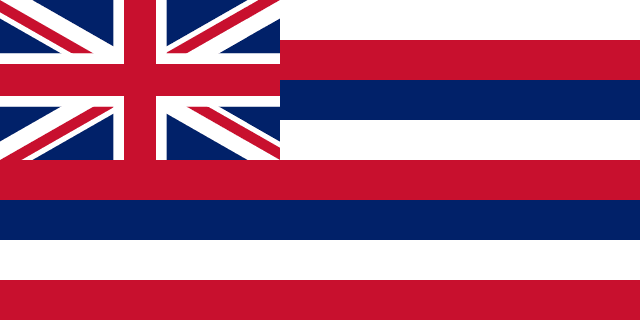
Hawaii Boating Destinations
Island boating with warm Pacific water, volcanic coastlines, reef zones, and world-class sightseeing.
Top Places to Boat in Hawaii
Oahu
Marinas, reef-protected bays, and accessible cruising near Honolulu.
Maui
Clear-water snorkeling runs, scenic harbors, and whale-season highlights.
Kauai and the Big Island
Dramatic cliffs, lava-shaped coastlines, and destination-style boating.
Where People Boat in Hawaii
Hawaii boating is best planned by island and exposure, not just by whichever harbor is closest. Conditions can change quickly between protected bays, reef-lined shallows, and open Pacific routes, so local captains usually build separate plans for easy day cruising, snorkeling runs, wildlife viewing, and longer sightseeing trips.
Oahu is the most practical starting point for many boaters because it combines established marinas, charter traffic, and several accessible launch patterns near Honolulu. Kaneohe Bay is especially popular for calmer boating, reef-protected water, and social sandbar days that work well for families and mixed-experience crews.
The south shore of Oahu creates a different style of trip. Honolulu-area runs are more urban, with harbor movement, coastal sightseeing, and short passages that can include skyline views, offshore blue water, and quick returns to service-heavy marina zones.
Maui is often the island people picture when they want clear water and destination-style day boating. Harbor departures here commonly lead to snorkeling-focused trips, scenic coastal cruising, and seasonal whale watching, which makes Maui a strong fit for crews who want a high-visual day without committing to a long island crossing.
Molokini and nearby Maui waters are especially attractive when visibility is strong and morning conditions stay manageable. The best trips are usually early and deliberate, with clear turnaround timing, because the reward is excellent water clarity and one of the state's most recognizable boating experiences.
Kauai shifts the experience toward scenery and route discipline. Hanalei Bay can offer a calmer and more relaxed start, while the Napali Coast is a true destination run where cliffs, sea caves, and remote shoreline views make the route unforgettable. It is not a place for casual assumptions, and captains generally treat it as a weather-window trip.
The Big Island adds another unique boating profile with lava-shaped shoreline, deeper water close to land, and standout spots such as Kealakekua Bay. Boaters here often build trips around snorkeling, coastal sightseeing, and marine-life encounters rather than the sandbar-heavy social style seen in other markets.
A practical Hawaii boating season usually mixes one familiar home-water routine with occasional destination days on another island or coastline. That approach keeps usage realistic, reduces weather pressure, and still gives owners the island variety that makes Hawaii so distinctive.
Trip Planning in Hawaii
Trip planning in Hawaii works best when you build the season around your actual launch rhythm instead of trying to treat every waterway the same. Oahu and Maui reward different assumptions about distance, traffic, weather, and how much setup your crew is willing to handle on a normal weekend.
That is why Hawaii boaters usually get more value from choosing one dependable home-water routine and then layering in destination days. The combination of year-round boating climate and island-hopping appeal gives the state range, but the easiest boating life still comes from matching storage, launch convenience, and crew expectations to the places you will use most often.
Hawaii Boating Guide
Hawaii is one of the most distinctive boating destinations in the United States because every trip is shaped by island geography, reef systems, open-ocean exposure, and warm Pacific water. Instead of one continuous coastline with repeatable conditions, Hawaii gives boaters a collection of separate island environments, each with its own pace, launch logic, and route discipline.
The smartest way to approach boating in Hawaii is to divide it by island and trip type. In practical terms, that means separating protected-bay family boating, snorkeling and sightseeing runs, seasonal wildlife trips, and more exposed destination routes. Captains who organize their boating this way usually make better decisions because they are matching the day to the actual water instead of treating Hawaii like a generic coastal market.
Oahu is the most practical high-frequency boating base for many owners. It offers marina infrastructure, service access, and several dependable launch patterns that make regular use easier than on more remote islands. Kaneohe Bay is particularly valuable because reef protection and calmer water can support family cruising, sandbar stops, and lower-stress days when the goal is simply consistent time on the water.
At the same time, Oahu can shift quickly into a more active urban-coastal profile around Honolulu and the south shore. Those routes are useful for sightseeing, short offshore runs, and marina-centered day trips, but they reward tighter traffic awareness and cleaner timing than a casual bay day. Owners who treat Oahu as multiple boating zones rather than one market usually get better trip quality.
Maui remains one of Hawaii's strongest islands for destination-style boating because it combines scenic harbor departures, clear-water snorkeling opportunities, and seasonal whale watching in a single boating lifestyle. For many crews, Maui works best when trips start early, focus on one or two high-value stops, and leave room for conditions to change as the day develops.
Molokini and similar Maui-area routes should be treated as planning-first trips, not improvisational cruising. Visibility, wind, and crowd timing all affect the quality of the outing. When captains build around calm morning conditions and defined return windows, Maui can deliver some of the most memorable boating in the state.
Kauai and the Napali Coast create a completely different operating profile. This is where Hawaii feels most dramatic from the water, with cliffs, sea caves, and shoreline scenery that turns the route itself into the main event. The payoff is exceptional, but so is the need for conservative weather judgment, fuel planning, and honest assessment of crew readiness.
The Big Island broadens Hawaii's appeal by adding lava-shaped coastline, deeper offshore water close to shore, and protected highlights such as Kealakekua Bay. Boating here often emphasizes snorkeling, marine-life viewing, and scenic coastal travel rather than the social sandbar rhythm seen in other destinations. That makes it especially attractive for owners who value nature-first trips.
One of Hawaii's biggest ownership advantages is that the boating itself rarely feels repetitive. Even within the same island, a calm bay day, a reef-adjacent snorkeling run, and a sightseeing-focused coastal transit can feel like completely different outings. For buyers, that means matching the boat to your dominant use case matters far more than chasing an all-purpose setup that is only theoretically ideal.
If you are buying for Hawaii, start with where you will boat most often. A platform intended for Oahu family use may prioritize boarding ease, comfort, shade, and simple repeat docking. A setup meant for more regular Maui, Kauai, or Big Island destination days should place more emphasis on range, ride quality, storage for gear, and disciplined route planning support.
Hawaii also rewards owners who keep logistics simple. Because island boating can involve launch timing, marina availability, weather windows, and visitor-season traffic, reducing friction has a direct effect on how often the boat actually gets used. A practical home harbor and a repeatable pre-departure routine usually create more water time than an ambitious plan built around occasional long-range outings.
With the right structure, Hawaii can support one of the most memorable boating lifestyles anywhere in the country. Warm water, coral-rich snorkeling, volcanic scenery, whale-season highlights, and island-to-island variety give it a rare level of payoff. Owners who plan by island, respect changing conditions, and build around repeatable process usually get a boating season that stays safe, visually exceptional, and consistently rewarding.
Choosing the Right Boat for Hawaii
Boat choice in Hawaii should follow where the season will really happen. A setup that feels ideal for Oahu may not be the best fit for repeat days around Kauai and the Big Island, especially when boarding ease, range, fishing utility, weather tolerance, or towing logistics start to matter more than headline specs.
Owners who match the boat to the state’s real water pattern usually end up with a more reliable season and more repeat trips. In Hawaii, the best boat is rarely the one that looks best on paper for every possible route. It is the one that makes the most common day on the water easier to launch, easier to dock, and easier to enjoy.
Browse Other States
- Alabama
- Alaska
- Arizona
- Arkansas
- California
- Colorado
- Connecticut
- Delaware
- Florida
- Georgia
- Hawaii
- Idaho
- Illinois
- Indiana
- Iowa
- Kansas
- Kentucky
- Louisiana
- Maine
- Maryland
- Massachusetts
- Michigan
- Minnesota
- Mississippi
- Missouri
- Montana
- Nebraska
- Nevada
- New Hampshire
- New Jersey
- New Mexico
- New York
- North Carolina
- North Dakota
- Ohio
- Oklahoma
- Oregon
- Pennsylvania
- Rhode Island
- South Carolina
- South Dakota
- Tennessee
- Texas
- Utah
- Vermont
- Virginia
- Washington
- West Virginia
- Wisconsin
- Wyoming