
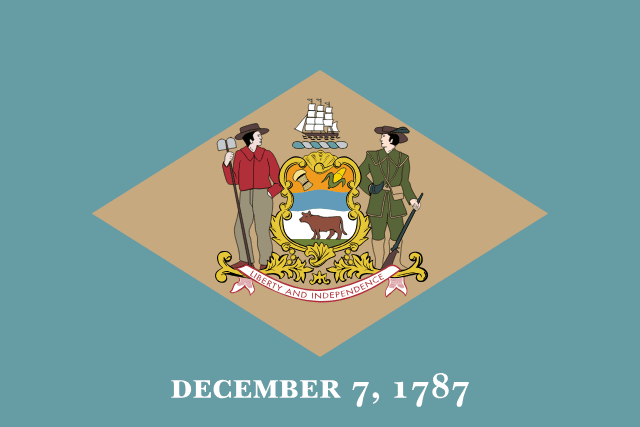
Delaware Boating Destinations
Delaware packs bay cruising, inland canals, quiet state-park waters, and beach-town boating into a compact coastal state.
Top Places to Boat in Delaware
Lewes and Rehoboth-area waters
Canal and bay access with easy coastal day-boating routes.
Indian River and inland bays
Protected-water cruising, fishing, and family-friendly anchoring.
Wilmington and the Delaware River corridor
Urban-access boating with river routes, marinas, and practical launches.
Where People Boat in Delaware
Delaware boating works well because the state is compact but still offers several distinct water styles. Owners can move between bay routes, inland canals, protected back-bay water, and beach-town boating without losing half the day to travel, which makes regular use much easier than people often expect.
Lewes and the Rehoboth-area waterways are central to Delaware boating because they give owners access to canals, near-coastal bay routes, and a practical launch pattern near some of the state's most popular shoreline destinations. This area is well suited for day cruising, fishing, and easy family boating with enough nearby activity to make each outing feel like a destination trip.
The inland-bay system around Indian River and nearby coastal waters creates one of Delaware's most flexible boating environments. Protected sections, fishing-friendly routes, and calmer family-oriented runs make these waters a strong choice for crews who want a coastal feel without forcing every day into a fully exposed bay or ocean setup.
Wilmington and the Delaware River corridor add a more urban-access style of boating. This part of the state is practical for owners who value marina access, river cruising, and straightforward launch options near population centers. It often becomes a strong default for repeat use because convenience is high.
State park waters and quieter protected areas also matter in Delaware because not every outing has to be built around a major bay run. Smaller access points, calmer inlets, and local boat launches help owners keep the season active when conditions or scheduling make bigger trips less appealing.
What makes Delaware especially useful is how easy it is to pivot between boating styles. A calm day can point you toward open-bay cruising, while a busier or windier day may be better suited to canals, back bays, or river-based plans. That flexibility is a major part of the state's boating value.
Because so much Delaware boating is tied to launch choice and water conditions, local awareness matters. Tides, traffic near popular shore towns, and seasonal boat density can all shape the day, especially during warmer months when the coast becomes busier.
A practical Delaware boating season often starts with one dependable local launch zone and then rotates into beach-town or bay-focused trips when conditions line up. That approach keeps boating frequent while still giving owners the variety that makes the state stand out.
Trip Planning in Delaware
Trip planning in Delaware works best when you build the season around your actual launch rhythm instead of trying to treat every waterway the same. Lewes and Rehoboth-area waters and Indian River and inland bays reward different assumptions about distance, traffic, weather, and how much setup your crew is willing to handle on a normal weekend.
That is why Delaware boaters usually get more value from choosing one dependable home-water routine and then layering in destination days. The combination of delaware bay and inland-bay variety and beach-town and state-park access gives the state range, but the easiest boating life still comes from matching storage, launch convenience, and crew expectations to the places you will use most often.
Delaware Boating Guide
Delaware is one of the most underrated boating states on the East Coast because it offers a highly usable mix of bay cruising, inland canals, beach-town access, and protected waters in a very compact footprint. Owners can build a season around short-drive convenience while still enjoying a range of boating environments that would normally require much longer repositioning in larger coastal states.
The most effective way to think about boating in Delaware is to separate the state into three practical styles: coastal bay and inlet boating, protected inland-bay and canal routes, and river-based access in the north. Each one supports a different kind of day. Coastal waters bring the highest scenic payoff and stronger saltwater feel, inland routes create easier family-use schedules, and river boating adds convenient repeat-access options for owners near Wilmington and the northern part of the state.
Lewes and the Rehoboth-area waterways are often the center of gravity for Delaware boaters because they balance access, scenery, and flexibility. These waters let crews move through practical day routes, enjoy nearby town access, and shift between more protected and more open conditions depending on the weather. That makes them one of the best areas in the state for owners who want reliable use without overcommitting every outing.
The inland bays, especially around Indian River and neighboring coastal waters, are valuable because they preserve the coastal boating feel while making route planning easier. For many families, this is where Delaware works best. Protected sections, manageable distances, and a strong mix of cruising and fishing make these waters practical for repeat weekends and lower-stress boating days.
Wilmington and the Delaware River corridor serve a different purpose, but an important one. They give the state a more urban-access boating profile, with marina options, river routes, and practical launch points that can support frequent use close to major population centers. For many owners, convenience here can be the deciding factor in whether the boat gets used regularly or only a few times a season.
One of Delaware's biggest advantages is that it rewards flexible route planning. If conditions on the bay are less appealing, owners can often pivot to calmer water without abandoning the day. That ability to adjust quickly helps reduce cancellations and keeps the season more consistent, which is one of the strongest long-term benefits of boating in a smaller coastal state.
State parks and smaller launch areas add quiet but important value. They give trailer boaters alternatives, preserve access beyond the most popular marina zones, and help create lower-pressure days when the better-known shoreline destinations are busier. In practice, these smaller access points are often what keep an ownership schedule sustainable.
Delaware also rewards captains who plan around local conditions instead of broad weather assumptions. Tidal movement, summer traffic near beach communities, and how crowded launch areas become can all change the quality of the trip. Owners who check actual local conditions and maintain backup launch options usually get more consistent results throughout the peak season.
If you are buying for Delaware, your best boat is the one that matches your most common water and your real launch routine. A setup designed for repeated inland-bay and canal use should emphasize comfort, boarding ease, and low-friction day boating. A more bay-focused schedule may place greater value on saltwater practicality, weather tolerance, and how confidently the boat handles in more open conditions.
Storage and launch convenience matter more here than many buyers assume. Because Delaware makes short-notice boating possible, reducing friction has a direct impact on annual usage. The easier it is to get to the water and back, the more likely the boat becomes part of a regular routine instead of an occasional special outing.
For newer owners, Delaware offers an ideal learning progression. Start with protected bays, canals, and shorter routes, then expand into more open bay days once the crew is comfortable with launch timing, tide awareness, and local traffic patterns. That progression makes the coastal side of Delaware boating much easier to enjoy without pushing too much complexity too early.
With the right plan, Delaware can deliver one of the most efficient and enjoyable boating lifestyles on the East Coast. Its compact geography, varied water access, and mix of scenic and practical routes make it easier to use a boat often and still keep the season interesting. Owners who take advantage of that flexibility usually end up with more time on the water and far fewer wasted weekends.
Choosing the Right Boat for Delaware
Boat choice in Delaware should follow where the season will really happen. A setup that feels ideal for Lewes and Rehoboth-area waters may not be the best fit for repeat days around Wilmington and the Delaware River corridor, especially when boarding ease, range, fishing utility, weather tolerance, or towing logistics start to matter more than headline specs.
Owners who match the boat to the state’s real water pattern usually end up with a more reliable season and more repeat trips. In Delaware, the best boat is rarely the one that looks best on paper for every possible route. It is the one that makes the most common day on the water easier to launch, easier to dock, and easier to enjoy.
Browse Other States
- Alabama
- Alaska
- Arizona
- Arkansas
- California
- Colorado
- Connecticut
- Delaware
- Florida
- Georgia
- Hawaii
- Idaho
- Illinois
- Indiana
- Iowa
- Kansas
- Kentucky
- Louisiana
- Maine
- Maryland
- Massachusetts
- Michigan
- Minnesota
- Mississippi
- Missouri
- Montana
- Nebraska
- Nevada
- New Hampshire
- New Jersey
- New Mexico
- New York
- North Carolina
- North Dakota
- Ohio
- Oklahoma
- Oregon
- Pennsylvania
- Rhode Island
- South Carolina
- South Dakota
- Tennessee
- Texas
- Utah
- Vermont
- Virginia
- Washington
- West Virginia
- Wisconsin
- Wyoming