
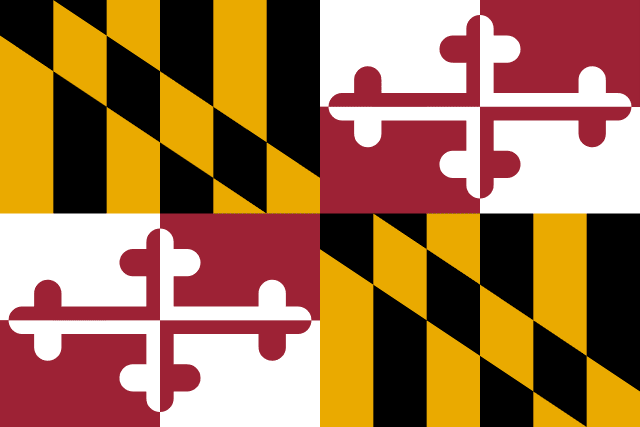
Maryland Boating Destinations
Maryland combines Chesapeake Bay cruising, Eastern Shore harbor towns, quiet rivers, and Atlantic-side wildlife water into one of the East Coast's most varied boating states.
Top Places to Boat in Maryland
Chesapeake Bay and Annapolis
Big-water bay cruising, sailing culture, and dense marina access centered around Annapolis and nearby tributaries.
St. Michaels, Oxford, and the Eastern Shore
Harbor-hopping routes with small-town waterfront charm, museums, seafood stops, and protected cruising water.
Assateague, Solomons, and Maryland's mixed-water destinations
Wildlife-focused coastal boating, Southern Maryland marina hubs, and scenic alternatives from island channels to quieter inland water.
Where People Boat in Maryland
Maryland boating works best when you organize the state by water type instead of treating everything as one Chesapeake Bay experience. The Bay itself, Eastern Shore creeks, river systems, Atlantic-side island channels, and inland mountain water all create different trip styles, so local boaters usually keep several reliable options in rotation.
Chesapeake Bay is the center of gravity for Maryland boating because it gives owners scale, variety, and one of the strongest marina networks on the East Coast. Around Annapolis, Kent Island, and nearby tributaries, boaters can plan sailing days, casual powerboat runs, dock-and-dine trips, fishing outings, and longer bay crossings without leaving the state's core boating region.
Annapolis is especially valuable because it combines services, slips, launch access, and real boating culture in one place. Many crews use it as both a destination and a staging point, keeping shorter harbor days close to town or branching out into broader Bay routes when wind and traffic conditions are favorable.
Maryland's Eastern Shore changes the pace. St. Michaels, Oxford, Tilghman Island, and nearby creeks are ideal for boaters who want a slower harbor-hopping rhythm with protected water, seafood stops, and walkable waterfront towns. These destinations are less about rushing and more about making the shoreline part of the trip.
St. Michaels stands out because it blends marina convenience with heritage attractions like the Chesapeake Bay Maritime Museum. Oxford and Tilghman add quieter alternatives that work well for overnight stays, short cruising legs, and mixed groups who want history, scenery, and local dining without major open-water commitment.
Solomons Island gives Southern Maryland a dependable base for river-and-bay boating. Sitting near the mouth of the Patuxent River, it works well for boaters who want wide water, calmer inlets, fishing access, and a marina hub that supports both repeat day use and longer Chesapeake weekends.
Assateague creates a completely different Maryland boating day. Near Ocean City, the appeal shifts toward undeveloped shoreline, wildlife viewing, calmer island channels, and weather-aware coastal runs. It is a strong fit for smaller-boat exploring, fishing, kayaking support trips, and scenic anchoring rather than pure town-to-town cruising.
Maryland also benefits from alternative waters such as the Potomac, Gunpowder-area reservoirs, and Deep Creek Lake in the west. Those options matter because they give owners backup plans when Bay conditions are less favorable and make the state's boating season feel broader than its coastline alone would suggest.
Trip Planning in Maryland
Trip planning in Maryland works best when you build the season around your actual launch rhythm instead of trying to treat every waterway the same. Chesapeake Bay and Annapolis and St. Michaels, Oxford, and the Eastern Shore reward different assumptions about distance, traffic, weather, and how much setup your crew is willing to handle on a normal weekend.
That is why Maryland boaters usually get more value from choosing one dependable home-water routine and then layering in destination days. The combination of chesapeake bay access and marina density and historic harbor towns and river cruising gives the state range, but the easiest boating life still comes from matching storage, launch convenience, and crew expectations to the places you will use most often.
Maryland Boating Guide
Maryland is one of the most complete boating states in the Mid-Atlantic because it combines Chesapeake Bay scale, historic waterfront towns, tidal rivers, island channels, and inland freshwater escapes in a compact footprint. Few states let owners move so easily between sailing culture, cruising harbors, fishing grounds, crabbing water, and calmer family destinations without changing regions entirely.
The smartest way to plan boating in Maryland is to break the state into operating zones. Chesapeake Bay and Annapolis handle high-frequency bay boating and major marina access. The Eastern Shore supports harbor hopping and protected cruising. Southern Maryland around Solomons adds river-to-bay flexibility. Assateague and Ocean City-side waters create a more nature-focused coastal profile. Inland routes like Deep Creek or reservoir boating serve as low-stress alternatives when bay conditions are less inviting.
Chesapeake Bay remains the backbone of Maryland ownership because it supports almost every style of trip. You can build a season around short evening cruises, fishing mornings, sailing weekends, and longer cross-bay itineraries without exhausting the route options. The density of marinas, services, and launch points is a major practical advantage, especially for owners who prioritize frequent use over occasional long-range plans.
Annapolis adds another layer of value because it is both functional and iconic. It serves as a marine-services hub, a social boating center, and a natural base for people who want access to serious Chesapeake water while keeping logistics manageable. For many owners, Annapolis is where Maryland boating becomes easiest to repeat at a high level throughout the season.
The Eastern Shore brings a different rhythm that is central to Maryland's identity. St. Michaels, Oxford, and Tilghman Island reward boaters who enjoy shorter cruising legs, waterfront dining, museum stops, and harbor towns that still feel connected to the working Chesapeake. These destinations are ideal for owners who want trips built around scenery and shoreline experience, not just miles underway.
St. Michaels is especially useful because it balances accessibility with destination appeal. You can dock, walk into town, visit maritime attractions, and turn a simple cruise into a full-day or overnight experience. Oxford and Tilghman help diversify the same region by offering quieter harbors, fishing and crabbing appeal, and an even more relaxed pace.
Solomons Island gives Maryland boaters a reliable southern hub with broad utility. The Patuxent River approach, nearby Bay access, local marinas, and calmer inlets make it a practical choice for mixed crews. It works for fishing, sailing, family cruising, and weekend itineraries that need a comfortable service base rather than a pure resort destination.
Assateague and the coastal side of Maryland should be approached differently from the Chesapeake. The reward is wild shoreline, birdlife, marsh channels, and the well-known wild-horse setting, but the planning emphasis shifts toward weather, tide, and route simplicity. These trips are often most rewarding when the crew values scenery and wildlife as much as pure boating mileage.
Maryland's inland and alternate waters also deserve attention. Deep Creek Lake offers a mountain-lake option with calmer freshwater use, while the Potomac and Gunpowder-area waters give practical alternatives closer to major population centers. For owners who want a flexible calendar, these backups are a major reason Maryland boating can stay active even when Bay forecasts tighten.
Boat selection in Maryland should follow your dominant destinations. If most of your weekends revolve around Chesapeake Bay and broader crossings, prioritize ride quality, stability, and systems that support changing conditions. If your season is more Eastern Shore, Solomons, or protected-water focused, easy boarding, comfort, and repeat docking convenience may matter more than outright range.
Storage and launch strategy are especially important in Maryland because convenience directly affects usage. A boat kept near your true operating zone, whether that is Annapolis, the Eastern Shore, Southern Maryland, or an inland lake, will almost always get used more than one that adds friction before every trip. The owners who simplify logistics tend to enjoy the strongest seasons.
At its best, Maryland offers a boating life built around variety and repeatability. Chesapeake Bay scale, harbor-town cruising, maritime history, seafood-driven waterfront stops, wildlife-rich island routes, and inland alternatives give the state unusual range. Owners who match their boat and trip planning to the specific waters they will use most often usually get a season that feels both practical and distinctly Mid-Atlantic.
Choosing the Right Boat for Maryland
Boat choice in Maryland should follow where the season will really happen. A setup that feels ideal for Chesapeake Bay and Annapolis may not be the best fit for repeat days around Assateague, Solomons, and Maryland's mixed-water destinations, especially when boarding ease, range, fishing utility, weather tolerance, or towing logistics start to matter more than headline specs.
Owners who match the boat to the state’s real water pattern usually end up with a more reliable season and more repeat trips. In Maryland, the best boat is rarely the one that looks best on paper for every possible route. It is the one that makes the most common day on the water easier to launch, easier to dock, and easier to enjoy.
Browse Other States
- Alabama
- Alaska
- Arizona
- Arkansas
- California
- Colorado
- Connecticut
- Delaware
- Florida
- Georgia
- Hawaii
- Idaho
- Illinois
- Indiana
- Iowa
- Kansas
- Kentucky
- Louisiana
- Maine
- Maryland
- Massachusetts
- Michigan
- Minnesota
- Mississippi
- Missouri
- Montana
- Nebraska
- Nevada
- New Hampshire
- New Jersey
- New Mexico
- New York
- North Carolina
- North Dakota
- Ohio
- Oklahoma
- Oregon
- Pennsylvania
- Rhode Island
- South Carolina
- South Dakota
- Tennessee
- Texas
- Utah
- Vermont
- Virginia
- Washington
- West Virginia
- Wisconsin
- Wyoming