
1. Boat Warranty Basics
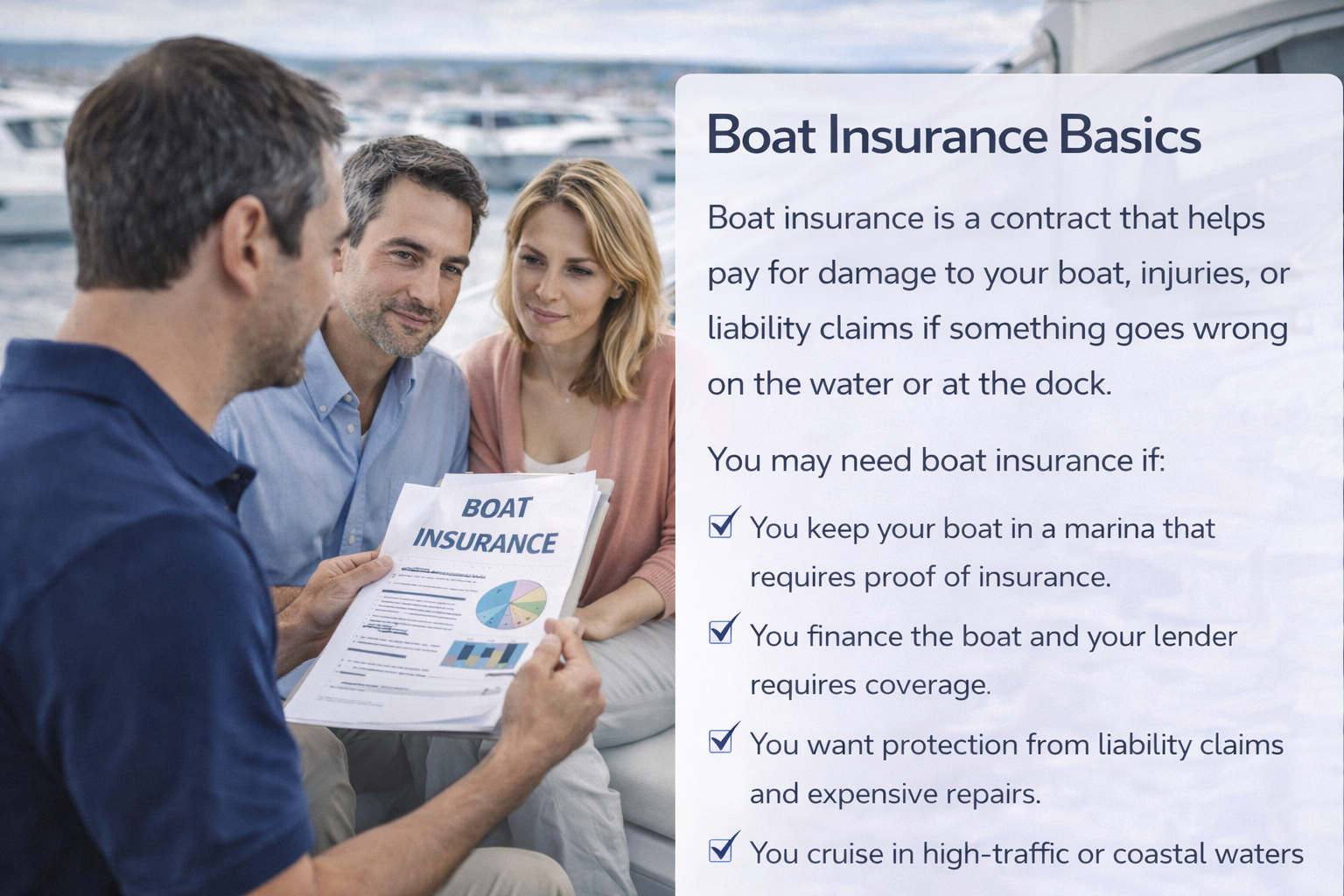
Warranties are designed to protect you from problems that shouldn’t happen on a properly built boat, not from normal wear, accidents, or lack of maintenance.
Key basics to understand:
- Time limit: e.g., 1–5 years for engines, 5–10+ years for hull.
- Coverage scope: hull, structure, engines, components, labor.
- Who backs it: boat builder, engine manufacturer, or third party.
- Transferability: whether coverage follows the boat to a new owner.
2. Types of Boat Warranties
Most modern boats come with multiple layers of warranty coverage. When comparing boats, look at the entire package — not just the length of the “headline” warranty.
Common Warranty Types
- Hull/structural warranty: covers the main hull and structure against defects or failure (often the longest warranty).
- Limited bow-to-stern warranty: broad coverage for many onboard systems and components, usually for a shorter term.
- Engine warranty: separate coverage from the engine manufacturer, often with hour limits and specific maintenance requirements.
- Component/electronics warranties: coverage for displays, trolling motors, stereos, and other accessories.
- Extended service contracts: optional add-ons that extend coverage beyond the factory term for an extra cost.
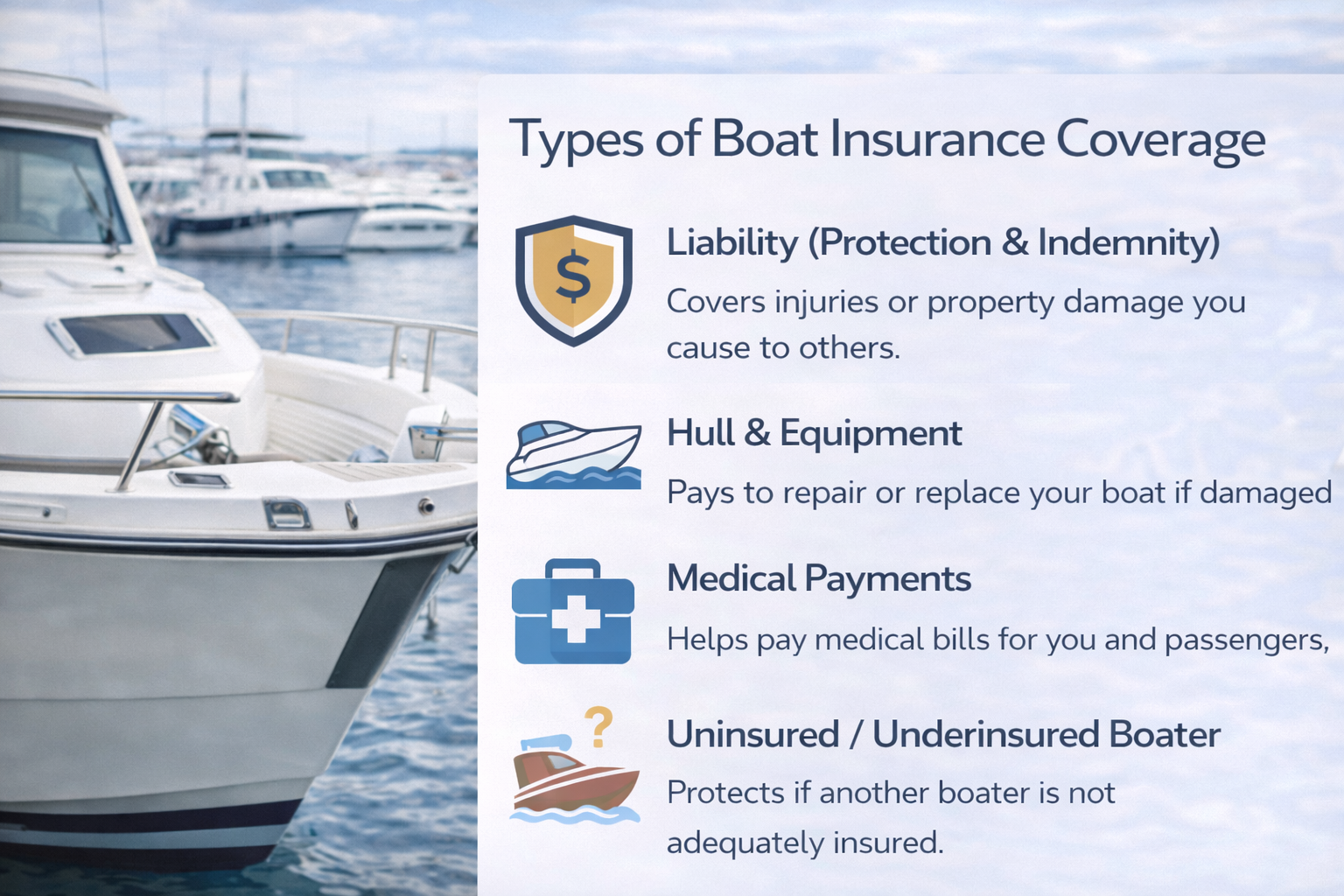
3. What’s Covered — and What Isn’t
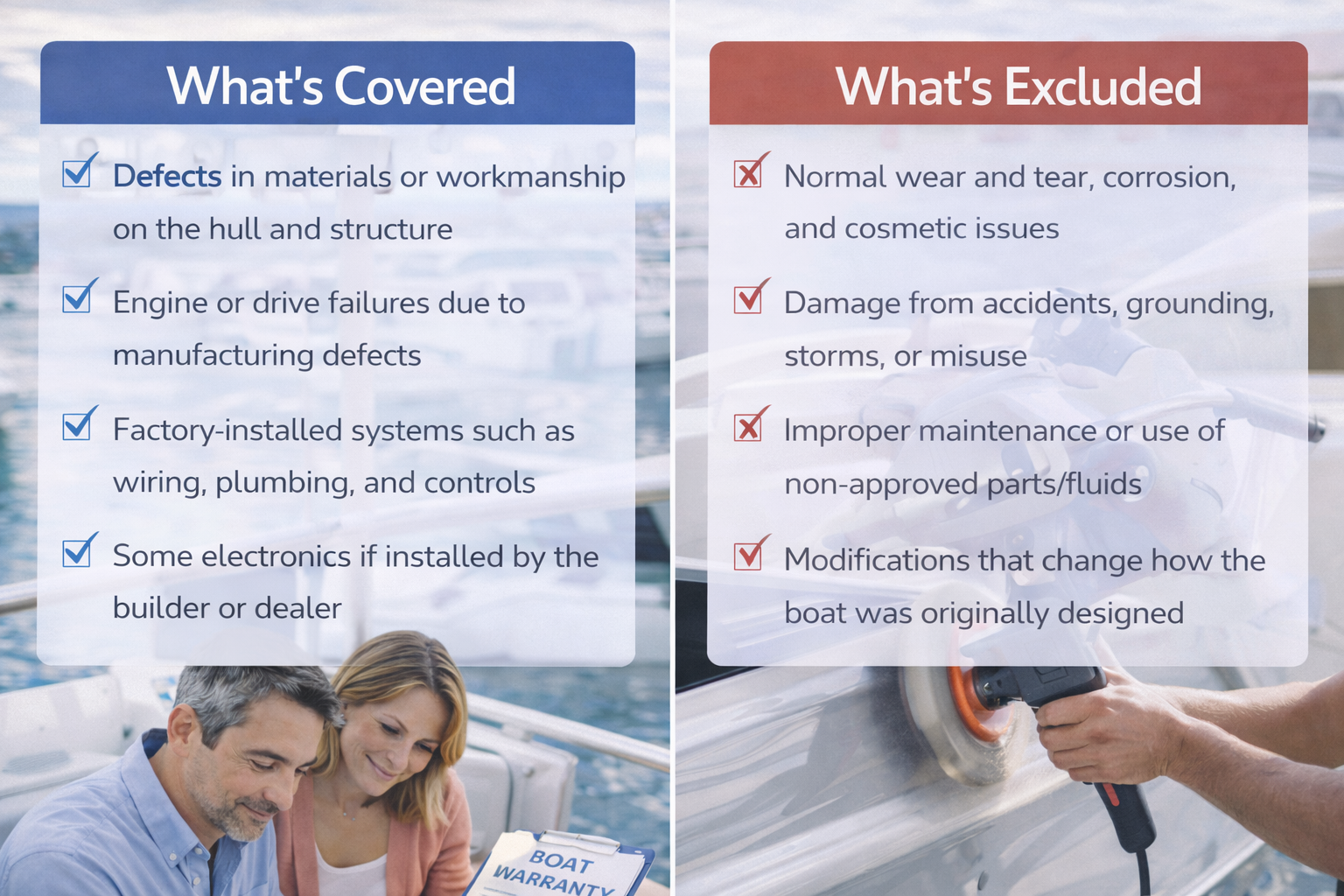
Typically Covered
- Defects in materials or workmanship on the hull and structure
- Engine or drive failures due to manufacturing defects
- Factory-installed systems such as wiring, plumbing, and controls
- Some electronics if installed by the builder or dealer
Common Exclusions
- Normal wear and tear, corrosion, and cosmetic issues
- Damage from accidents, grounding, storms, or misuse
- Improper maintenance or use of non-approved parts/fluids
- Modifications that change how the boat was originally designed
4. Warranties on Used Boats
Many used boats are sold “as is,” but that doesn’t always mean you’re unprotected. Some factory warranties and engine warranties are transferable to new owners — if previous owners maintained the boat properly and filed the transfer paperwork on time.
Key Things to Check
- Is any factory hull or structural warranty still active?
- Are engine warranties still in effect, and are hours under the limit?
- Did the seller complete manufacturer-required transfers and registrations?
- Are there documented maintenance records to support warranty validity?
For older boats with no remaining factory coverage, third-party service contracts may provide limited protection for major systems, especially on higher-value vessels.
5. Claims, Maintenance & Record Keeping
Best Practices
- Follow the maintenance schedule in the owner’s and engine manuals.
- Keep receipts and service invoices in a dedicated folder or digital file.
- Report issues promptly — don’t wait for small problems to become major failures.
- Use authorized dealers or service centers when required by the warranty.
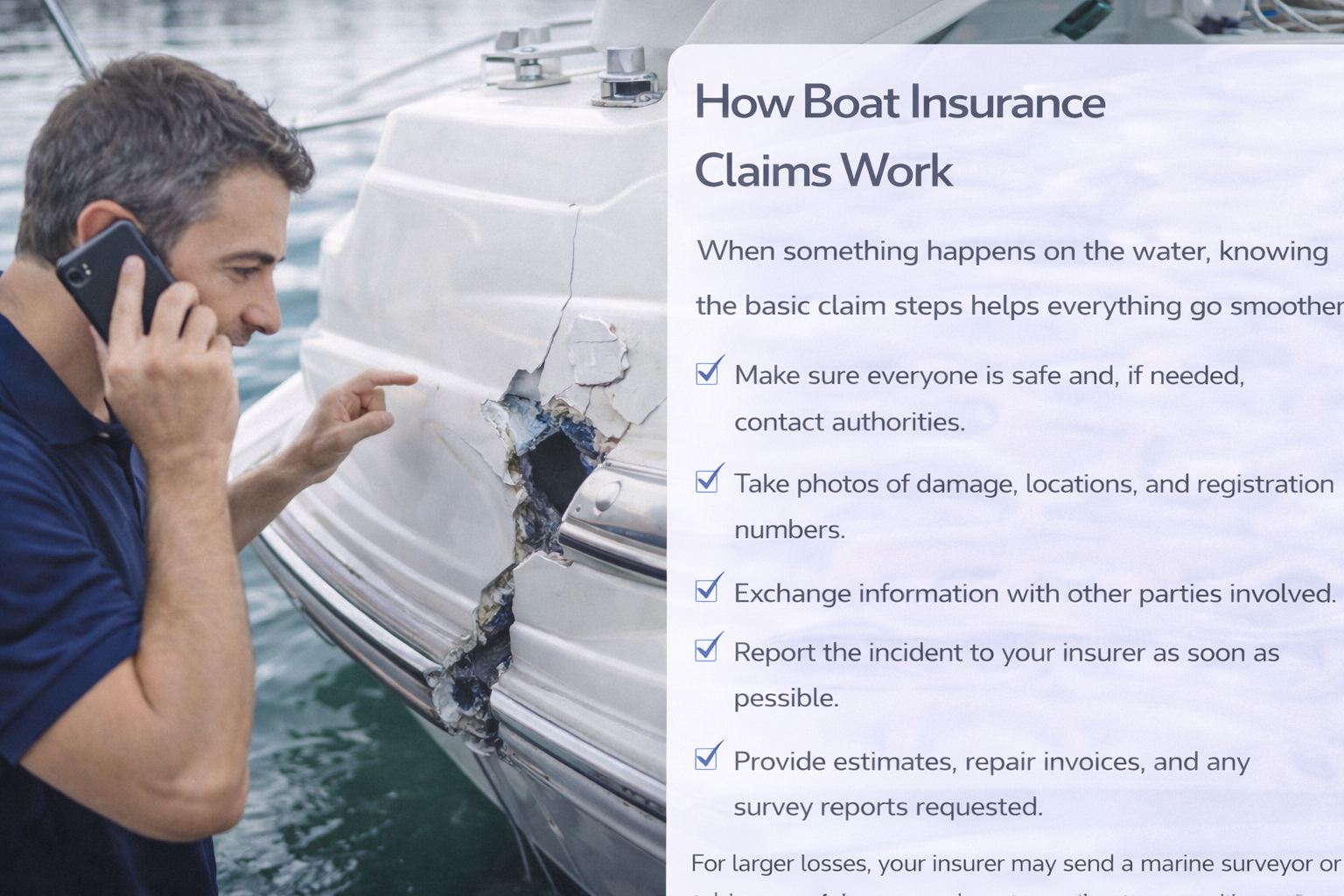
Typical Claim Process
- Contact the dealer or warranty provider and describe the issue.
- Schedule inspection or diagnosis (sometimes at an authorized service center).
- Provide documentation: proof of purchase, maintenance records, photos.
- Approve covered repairs and understand any labor or diagnostic fees.
6. Warranty vs Insurance vs Service Contracts
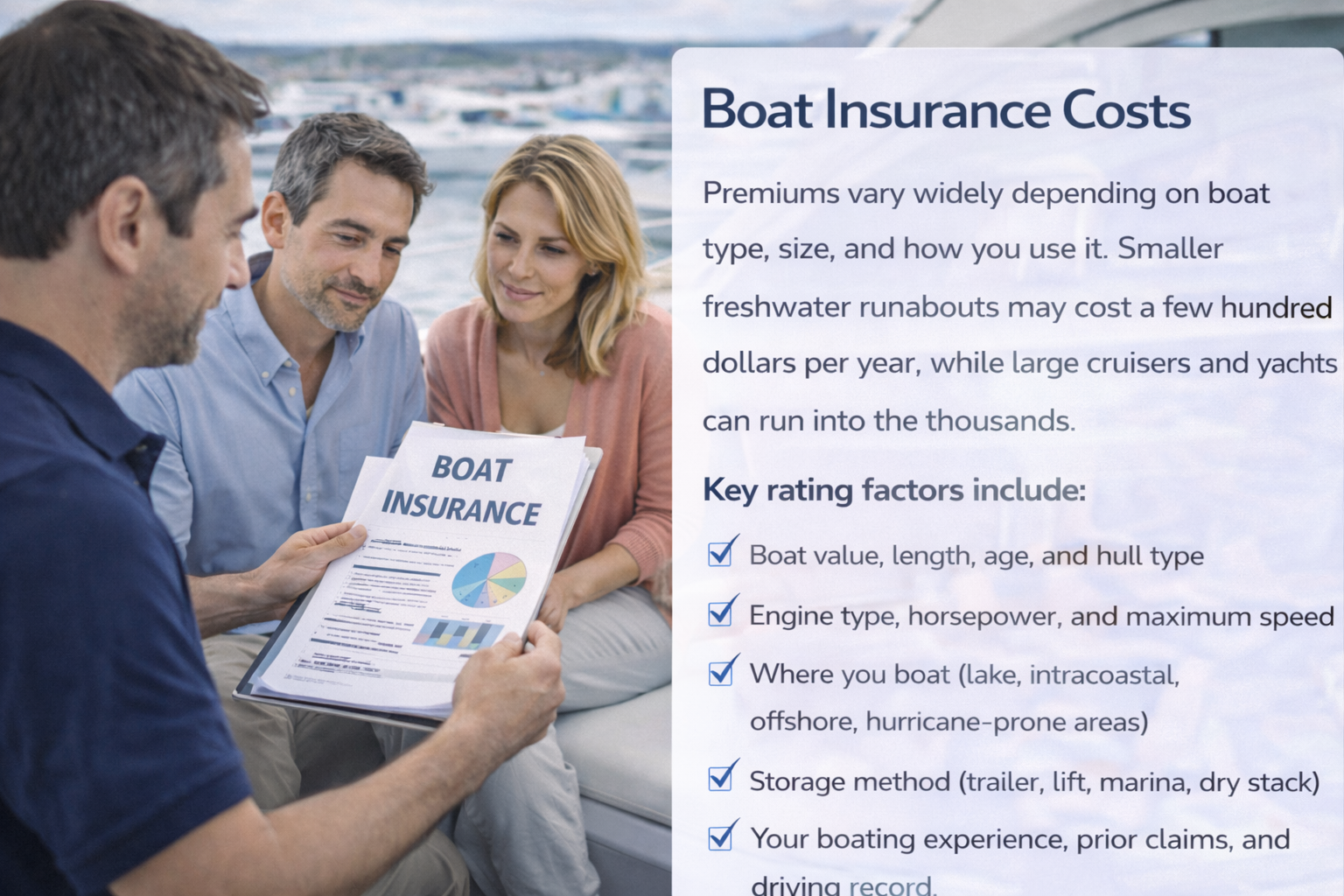
Warranties, insurance policies, and extended service contracts all help protect your investment, but they serve different purposes.
Boat Warranty
- Covers defects in materials or workmanship
- Limited time and specific components
- Usually included in purchase price
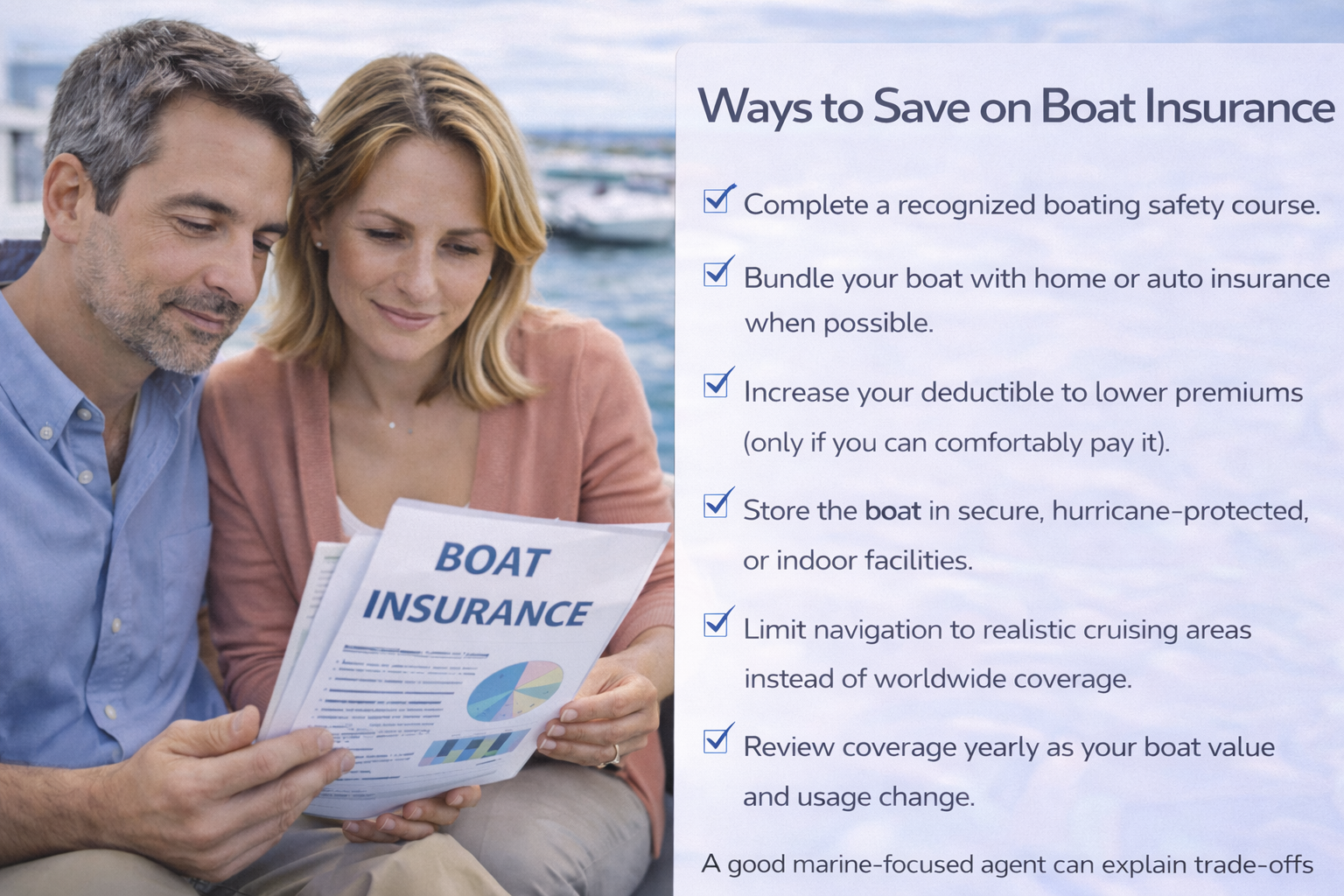
Boat Insurance
- Covers accidents, theft, storms, liability
- Required by lenders and marinas
- Paid via annual or monthly premiums
Service Contracts
- Optional add-on for repairs after warranty ends
- May include deductibles and limits
- Backed by third-party companies or dealers
7. Buyer Checklist & Warranty Tips
Questions to Ask the Dealer or Seller
- What factory warranties are included, and how long do they last?
- Is the warranty fully transferable if I sell the boat later?
- Are there any required service intervals to keep coverage valid?
- Who handles claims — the dealer, manufacturer, or third-party company?
- Are extended service contracts available, and what do they actually cover?
Smart Tips
- Always get warranty details in writing, not just verbal promises.
- Compare warranty packages when evaluating similar boats or brands.
- Factor warranty coverage into overall value, especially for premium brands.
- Keep a dedicated folder or digital drive for all warranty and service documents.