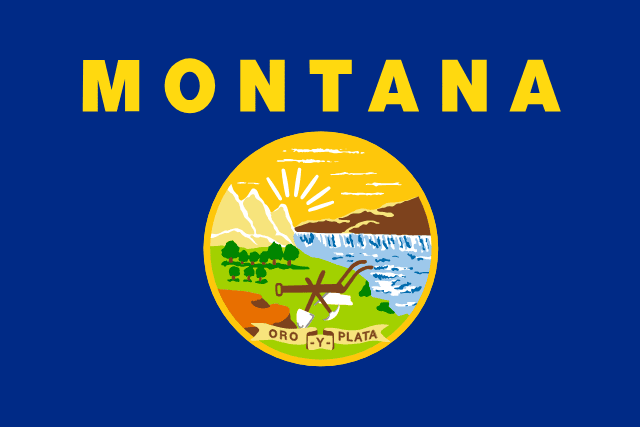
Montana Boating Destinations
Montana combines big mountain lakes, scenic reservoirs, cold clear water, and low-density boating into one of the West's most distinctive freshwater destinations.
Top Places to Boat in Montana
Flathead Lake and northwest Montana
Big-water scenic boating with mountain views, island stops, and one of the most iconic freshwater settings in the region.
Canyon Ferry, Hauser, and Holter Lake
Central Montana reservoir boating with fishing, family day use, and practical access near Helena.
Whitefish, Seeley, and western Montana lake country
Smaller scenic lakes for paddling, pontoons, wake recreation, and quieter mountain-town boating days.
Where People Boat in Montana
Montana boating is best planned by lake character rather than by simple geography. Some waters are expansive mountain lakes built for scenic cruising and destination days, some are practical reservoirs used for fishing and family outings, and others are smaller western lakes where paddling, pontoons, and relaxed warm-weather recreation all share the same setting.
Flathead Lake is the center of gravity for Montana boating because it combines scale, scenery, and a truly destination-level feel. With broad open water, island areas, mountain backdrops, and shoreline communities, it supports everything from scenic day cruising to fishing, swimming, and full summer weekends.
Flathead also stands out because it feels bigger than a standard inland lake trip. Boaters often approach it with the same kind of planning they would use on much larger water: watching wind, timing crossings carefully, and organizing the day around comfort and visibility as much as distance.
Canyon Ferry, Hauser, and Holter give central Montana a more practical reservoir-based boating pattern. These waters are important because they support frequent use, accessible launches, and a balanced mix of fishing, pontoons, watersports, and family recreation without requiring a full resort-style weekend every time.
This Helena-area lake group is valuable because it gives owners options. One day can be a fishing-focused outing, another can be a tow-sport afternoon, and another can stay centered on simple family cruising and beach-style stops. That kind of repeatability matters in a state where distance between destinations can be significant.
Western Montana lakes such as Whitefish Lake, the Seeley-Swan corridor, and other mountain waters create a different rhythm again. These destinations are often chosen for clearer scenery, quieter shorelines, paddling support, pontoon use, and a more relaxed boating pace tied closely to cabin and mountain-town routines.
Montana also benefits from a strong public-water orientation. State and federal access points, reservoir launches, and multi-use recreation areas make it possible for owners to move between well-known lakes and lower-profile local water depending on the forecast and the kind of day they want.
A practical Montana season often combines one high-frequency home lake or reservoir with one larger destination water such as Flathead and a few western scenic outings. That approach reflects what Montana does best: low-density freshwater boating with real landscape variety.
Trip Planning in Montana
Trip planning in Montana works best when you build the season around your actual launch rhythm instead of trying to treat every waterway the same. Flathead Lake and northwest Montana and Canyon Ferry, Hauser, and Holter Lake reward different assumptions about distance, traffic, weather, and how much setup your crew is willing to handle on a normal weekend.
That is why Montana boaters usually get more value from choosing one dependable home-water routine and then layering in destination days. The combination of large mountain lakes and broad reservoirs and pontooning, fishing, and scenic cruising gives the state range, but the easiest boating life still comes from matching storage, launch convenience, and crew expectations to the places you will use most often.
Montana Boating Guide
Montana is one of the West's most distinctive freshwater boating states because it combines huge mountain scenery, clear cold water, practical reservoirs, and a lower-density recreation culture than many larger boating markets. Instead of crowded marina corridors and tightly packed shoreline development, Montana gives boaters space, visual payoff, and a strong connection between boating and the surrounding landscape.
The smartest way to approach boating in Montana is to divide it into three broad use zones. Flathead and northwest Montana serve as the state's headline destination water. Central reservoirs such as Canyon Ferry, Hauser, and Holter support practical repeat use. Western and mountain-town lakes such as Whitefish and Seeley-area waters provide scenic, lower-pressure boating that fits naturally with cabins, camping, paddling, and family recreation.
Flathead Lake remains the state's most recognizable boating destination because it offers rare scale in a mountain-lake setting. It works for sightseeing, fishing, swimming, and full-day cruising, but it also asks for respect. Wind exposure, distance, and open-water comfort matter here in a way they may not on smaller inland lakes.
What makes Flathead especially valuable is that it can feel both aspirational and usable. It is visually dramatic enough to anchor destination weekends, yet practical enough for owners who build repeat trips around known launches, sheltered areas, and well-timed summer cruising windows. That combination makes it central to Montana's boating identity.
Canyon Ferry and nearby reservoirs broaden the market by making boating more repeatable. These waters are often where owners get the most real use out of a season because they are easier to plan around, easier to launch on, and flexible enough for fishing, pontoons, watersports, and family boating. For many people, these are the lakes that make ownership worthwhile week after week.
This reservoir layer matters because Montana is not only a big-scenery destination state. It is also a practical recreation state. Owners who rely entirely on occasional mountain-lake weekends often underuse their boat. Owners who pair a scenic target lake with a dependable reservoir usually get a much stronger season.
Whitefish Lake, the Seeley-Swan area, and other western Montana waters add another type of boating experience built around a quieter mountain lifestyle. These lakes are often better for relaxed cruising, paddling support, swimming, and lower-speed family use than for high-traffic recreational intensity. That makes them especially attractive for people who want boating to feel tied to place rather than to marina activity.
Montana also rewards owners who pay attention to water temperature, afternoon wind, changing weather, and launch logistics. The state can look calm and open, but conditions can shift quickly, especially on larger lakes and exposed reservoirs. Good trip planning here is less about crowd avoidance and more about respecting distance, weather windows, and the realities of cold-water operation.
Boat selection in Montana should follow the water you will use most often. If Flathead or similarly large lakes dominate your season, prioritize ride quality, range, and comfort in open-water conditions. If you expect most weekends on reservoirs or smaller western lakes, boarding ease, versatility, and towing practicality may matter more than large-water capability alone.
Storage and trailering are especially important in Montana because distance changes how ownership feels. Some owners do best by keeping the boat close to a home reservoir and towing for bigger destination weekends. Others center the season around a cabin-area lake. The right strategy is the one that makes frequent use realistic, not the one that looks best on paper.
One of Montana's biggest strengths is that it supports both ambition and simplicity. You can plan memorable big-water days with mountain backdrops, or you can keep boating easy and local on a nearby reservoir or scenic western lake. That flexibility is a major reason the state works well for both experienced owners and people building their confidence.
At its best, Montana offers a boating life built around scenery, space, and freshwater choice. Flathead-level destination water, practical central reservoirs, and quieter western mountain lakes give the state unusual range without losing its outdoor identity. Owners who match the boat to the water they actually use usually get one of the most satisfying freshwater seasons in the Mountain West.
Choosing the Right Boat for Montana
Boat choice in Montana should follow where the season will really happen. A setup that feels ideal for Flathead Lake and northwest Montana may not be the best fit for repeat days around Whitefish, Seeley, and western Montana lake country, especially when boarding ease, range, fishing utility, weather tolerance, or towing logistics start to matter more than headline specs.
Owners who match the boat to the state’s real water pattern usually end up with a more reliable season and more repeat trips. In Montana, the best boat is rarely the one that looks best on paper for every possible route. It is the one that makes the most common day on the water easier to launch, easier to dock, and easier to enjoy.
Browse Other States
- Alabama
- Alaska
- Arizona
- Arkansas
- California
- Colorado
- Connecticut
- Delaware
- Florida
- Georgia
- Hawaii
- Idaho
- Illinois
- Indiana
- Iowa
- Kansas
- Kentucky
- Louisiana
- Maine
- Maryland
- Massachusetts
- Michigan
- Minnesota
- Mississippi
- Missouri
- Montana
- Nebraska
- Nevada
- New Hampshire
- New Jersey
- New Mexico
- New York
- North Carolina
- North Dakota
- Ohio
- Oklahoma
- Oregon
- Pennsylvania
- Rhode Island
- South Carolina
- South Dakota
- Tennessee
- Texas
- Utah
- Vermont
- Virginia
- Washington
- West Virginia
- Wisconsin
- Wyoming